
A septic tank is an underground wastewater treatment system vital in managing household waste in areas without access to centralised sewer systems. These underground septic tanks are designed to collect, treat, and dispose of wastewater from bathrooms, kitchens, and laundry facilities.
The size of the septic tank you need depends on various factors, such as the number of bedrooms in your home and the amount of wastewater generated daily.
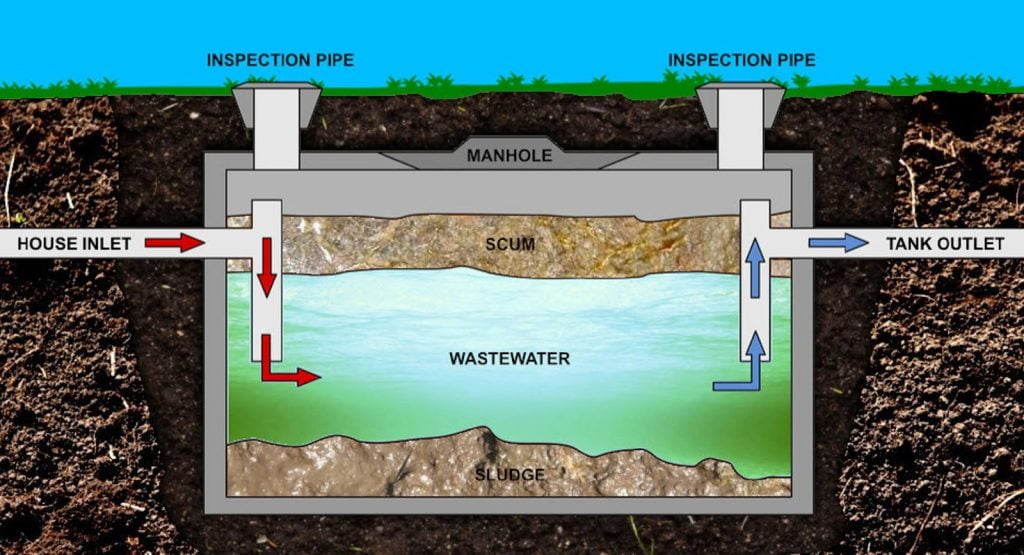
Selecting the appropriate size septic tank is essential to ensure the system functions efficiently and prevents overflows, backups, and environmental contamination.
In Australia, septic tank regulations protect public health and the environment by ensuring proper wastewater management and the prevention of sludge buildup.
Factors Affecting Septic Tank Size
Selecting the correct septic tank size is essential to ensure your system operates efficiently and complies with Australian standards.
A tank that’s too small can quickly become overloaded, leading to backups and costly problems, while an oversized tank may not function as effectively as intended. The right balance depends on your household size, daily water use, and site conditions.
Key factors that influence septic tank sizing include:
- Number of bedrooms: Under AS/NZS 1546.1:2008, a home with up to three bedrooms requires at least a 3,000L tank. A four-bedroom home needs a 3,500L tank or larger, while properties with 4–6 bedrooms typically require a minimum of 4,500L.
- Daily wastewater generation: Larger households with high water usage need bigger tanks to handle the additional volume.
- Drain field or absorption area: The soil’s percolation rate (how quickly water moves through it) and the size of the dispersal area play a key role in determining overall system requirements.
- Soil type and site conditions: Sandy soils drain faster than clay-based soils, which affects both drain field size and tank capacity.
- Local regulations: Councils and state guidelines often set minimum requirements based on environmental and public health considerations.
- Material choice: Precast concrete tanks are commonly recommended for their strength and durability, though other materials may suit specific site needs.
Don’t make the mistake of guessing tank size based only on the number of occupants. Usage habits, water-saving appliances and soil conditions can all change what’s suitable for your property.
For the most accurate advice, consult wastewater specialists who can assess your household’s needs, recommend the right tank size and guide you through compliance with local regulations.
Residential Septic Tank Sizes
Regarding residential septic tank sizes, standard sizes are available based on the number of bedrooms in a property. The following table provides a general overview of septic tank sizes based on the number of bedrooms:
| Number of Bedrooms | Minimum Septic Tank Size (Liters) |
|---|---|
| 1-3 | 3,000 |
| 4-6 | 4,500 |
| 7-9 | 5,500 |
However, it’s essential to consider other factors that may influence the required septic tank size. Larger households or those with high water usage may need a larger tank to accommodate the increased wastewater volume.
Commercial Septic Tank Sizes
Commercial septic tank sizes vary significantly depending on the type and size of the business and its specific wastewater needs. Factors influencing commercial wastewater needs include the number of employees, the nature of the business activities, and the presence of specialised equipment that may generate additional wastewater. For example, a small office building will have different wastewater needs than a large-scale industrial facility.
Small, eco-friendly, commercial-grade septic systems are available for small businesses with up to 20 people. These solutions typically consist of a two-tank wastewater system and are often paired with sub-surface irrigation for efficient and environmentally friendly wastewater dispersal.

On the other hand, larger commercial wastewater treatment systems, with tank sizes starting from 5000L and up, are specially designed and built to suit the site’s specific requirements. These systems are ideal for premises serving over 20 people, such as factories, mine sites, office spaces, and hospitality venues.
Recently, there has been a growing focus on eco-septic solutions for businesses. These innovative systems often incorporate advanced treatment technologies, such as aeration, filtration, and UV disinfection, to produce higher-quality effluent and minimise the environmental impact of wastewater discharge.
Consequences of Improper Septic Tank Sizing
Choosing an incorrectly sized septic tank can lead to severe consequences. Overloading a tank that is too small for your needs can cause system failure, leading to sewage backups, foul odours, and potential health hazards.
Inadequately treated wastewater can contaminate groundwater and nearby water sources, harming the environment. Moreover, improper sizing can result in costly repairs and replacements and potential fines for non-compliance with local regulations.
Consulting with Septic Tank Professionals
Seeking expert advice from septic tank professionals is essential to ensure you choose the right size and type of septic system for your property. Local septic tank specialists, such as All Kind Waste Water, have the knowledge and experience to assess your needs and provide tailored solutions.
We can guide you through selecting, installing, and maintaining your septic tank, considering household size, water usage, soil type, and local regulations. By working with us, you can have peace of mind knowing that your septic system is designed to function efficiently and effectively for years to come.
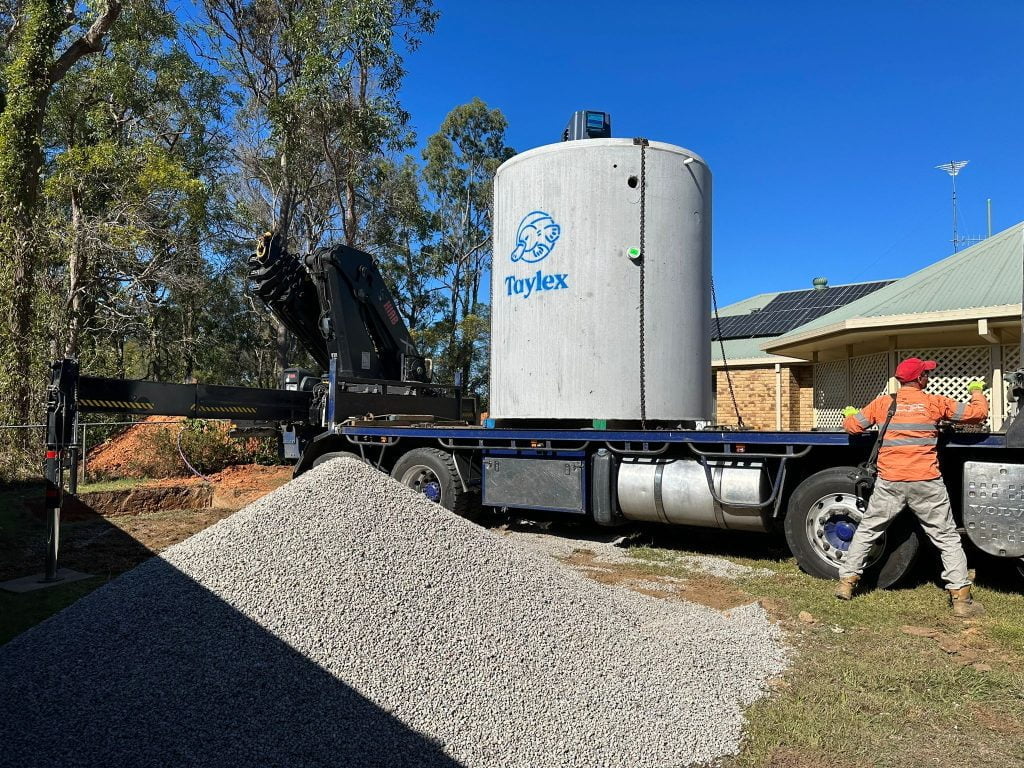
Don’t Let Your Septic Tank Be a Stinker: Size It Right!
Choosing the right septic tank size is crucial; if you’re unsure and located in Brisbane, our Brisbane septic tank specialists can assess your needs and install the appropriate system.
Contact All Kind Waste Water today for all your septic tank requirements, knowing your wastewater is being managed effectively.


