Did you know that the vast majority of Australian households, particularly in urban and suburban communities, are connected to centralised sewerage systems, widely recognised as efficient wastewater management solutions?
However, in rural and remote regions, the story changes slightly. Approximately 20% of these households depend on on-site wastewater treatment setups, such as septic tanks, with the remainder accessing centralised services.
Even though water and wastewater services reliably reach almost all Australians living in cities and towns, a small yet significant portion relies on local or individual systems. Among these essential yet often overlooked solutions are domestic pumping stations, quietly working behind the scenes to safely move wastewater from your home into the wider sanitation network.
Typically, domestic pumping stations remain unnoticed until something goes wrong. Blockages, unpleasant odours, overflows and sewage backups quickly remind homeowners just how critical these systems are.
Understanding Domestic Sewage Pumping Stations
So, what exactly is a domestic sewage pumping station? Simply put, it’s a pump system that efficiently transports wastewater from your home to the main sewer system when gravity alone can’t quite do the trick. Typically, wastewater flows downhill using gravity toward central sewer lines and eventually reaches a treatment plant.
But when gravity isn’t on your side, such as in homes located below the main sewer line or on sloped properties, pump stations are used to solve the problem and pump sewage effectively uphill or over longer distances.
Common scenarios where homeowners might require a domestic pumping station include:
• Basement bathrooms or laundry rooms situated below the main sewer line
• Properties built on slopes or uneven terrain
• Remote locations or rural homes positioned far away from the council sewer system
In these cases, a reliable pumping station becomes essential in managing wastewater disposal effectively and safely.
Core Components of a Domestic Pump Station
A domestic sewage pumping station is more than just a basic plumbing fixture. It’s a thoughtfully designed system made up of several essential components, each critical for efficient water management and reliable wastewater disposal.
1. Sewage Pump
• The sewage pump is the central mechanism designed to transfer sewage effectively through the pipes.
• It enables ground pumping stations to move water efficiently from your home into the council sewer system.
2. Storage Chamber
• Often called the pump chamber, this sealed container temporarily holds sewage or wastewater from your property.
• It prevents leaks, odours and contamination, ensuring water and sewage remain safely contained before transfer.
3. Float Switches and Sensors
• These devices provide essential level control, detecting when wastewater reaches specific levels within the chamber.
• Automatically activate the sewage pump, ensuring wastewater moves out before overflow occurs.

4. Control Panel
• The control panel coordinates and regulates the operation of domestic effluent pump stations.
• Clearly signals alarms and warnings, quickly alerting homeowners if something goes wrong and maintenance is needed.
5. Backup Systems
• Backup systems ensure continuous operation during power interruptions or unexpected pump failures.
• Adoptable pump stations commonly include these backups, maintaining reliable sewage transfer and safe, uninterrupted water management at home.
How Domestic Pumping Stations Work
Ever wondered exactly how your domestic pumping station handles wastewater behind the scenes? Let’s break down the process clearly, step by step, to understand how these essential pumping solutions keep your home comfortable, clean and odour free.
1. Collection
Raw sewage from your home’s drains, toilets and sinks flows into the storage chamber within your private pump station. Housing estates and individual properties often use these private pump stations when gravity alone can’t enable sewage to flow effectively towards the local water company’s sewer network.
2. Activation
As wastewater accumulates, sensors and float switches carefully monitor the water level within your station’s storage chamber. Once the effluent or sewage reaches a predetermined height, these sensors automatically activate the effluent pump, often part of a compact package pumping station, to start transferring waste.

3. Transportation
The activated pump efficiently moves wastewater through dedicated pipes, pumping the contents safely away from your home. This step ensures sewage reaches the main sewer lines or a nearby sewage treatment plant, depending on your local water management arrangements.
4. Shut-off
After successfully transferring wastewater, the sewage level inside the chamber decreases steadily. Once the water level returns to a safe, low point, the system automatically switches off the pump. Whether your station uses one pump or multiple pumps, automatic shut-off ensures minimal energy usage and prevents unnecessary wear and tear.
This process keeps surface water and wastewater separate, helping water companies supply water reliably and maintain a healthy, hygienic environment around your home.
Where Does Domestic Sewage Go?
Ever wondered what happens once wastewater leaves your home? After exiting your property, sewage travels safely through an extensive network of pipes and infrastructure, eventually reaching municipal sewage treatment facilities.
Here’s a quick look at the journey sewage takes once it leaves your home:
• Wastewater is transported directly to municipal treatment plants via underground sewer systems.
• Upon arrival, sewage undergoes rigorous treatment processes, including advanced filtration, chemical treatment and biological breakdown.
• These methods effectively eliminate contaminants and harmful substances, significantly lessening environmental impact.
• Treated water is thoroughly tested and meets strict safety standards before returning safely into local waterways.

These comprehensive environmental safeguards ensure local ecosystems and water supplies stay clean, healthy and protected for generations to come.
Importance of Pumping Stations in Domestic Water Management
The importance of pumping stations in residential water management can’t be overstated. Proper pump operation ensures wastewater and sewage are safely and efficiently moved away from your home, protecting properties and communities from significant health and financial risks.
Key reasons highlighting their importance include:
• Preventing wastewater backups: Where gravity alone can’t effectively lift the sewage, domestic pump stations take over, avoiding unpleasant, messy sewage floods in homes.
• Protecting health and hygiene: Reliable pump operations ensure sewage is pumped quickly and efficiently, significantly reducing contamination risks that threaten household hygiene.
• Efficient sewage disposal: Whether using a single pump or bespoke pumping systems like a vortex pump, stations effectively move water from one location, which is the station chamber, to the sewer or sewage treatment facility.
• Maintaining property values: Homes without proper pumping stations often endure costly repairs and reduced property value due to wastewater damage.
In short, neglecting proper sewage management can lead to expensive consequences, severely impacting your living conditions.
Common Signs You Need a Pump Station
Would your home benefit from a domestic sewage pumping station? There are clear signs that a pump station may be exactly what you need. Keep an eye out for these common indicators:
• Frequent sewage backups occur when sewage from individual houses flows back up the drains regularly.
• Slow drainage issues, usually because sewage needs to be transported uphill or across distances.
• Basement flooding or water pooling, indicating your current drainage doesn’t allow sewage to flow away efficiently.
• New bathroom installations below your main sewer line, meaning you’ll require a receiver for sewage and potentially a different pump system.

If any of these sound familiar, your station may need to be upgraded or installed soon. Don’t wait until water in treatment systems is backing up into your home. Act proactively and seek professional advice before minor issues become costly disasters.
Pumping Station Maintenance Tips
Regular maintenance of your domestic pumping station isn’t just another chore—it’s crucial for keeping your system operating smoothly and reliably. Neglecting essential upkeep can quickly lead to frustrating breakdowns, malfunctions, and potentially expensive repair bills. To avoid these headaches, proactive care is key.
Here are some practical maintenance tips you can follow:
• Schedule regular inspections and professional assessments. This helps to catch small issues before they become major problems.
• Routinely clean pumps and chambers to prevent blockages and keep wastewater flowing smoothly.
• Always respond immediately to warning alarms or signs of trouble. Quick action can prevent minor faults from escalating into costly disasters.
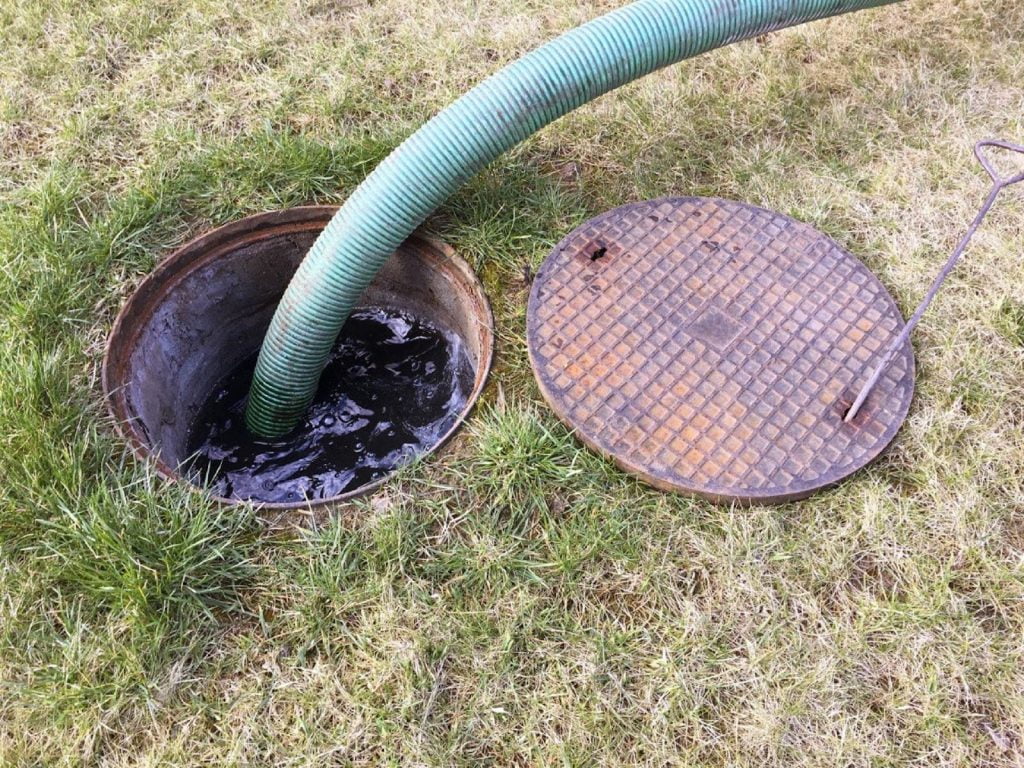
While you can manage basic tasks yourself, professional servicing remains essential for thorough maintenance and troubleshooting. Expert technicians understand how pump stations operate, spotting subtle issues early and ensuring your system stays efficient for years to come.
Investing in professional care will extend your pumping station’s lifespan, protecting your home and saving you money in the long run.
Protect Your Home and Invest in Reliable Domestic Sewage Management
Domestic sewage pumping stations play an essential role in protecting homes and neighbourhoods from messy wastewater issues. These stations are designed to move collected sewage quickly and efficiently through sewage pipes, ensuring sewage reaches local water authority guidelines safely and reliably.
Proactively addressing your home’s sewage management needs by installing or maintaining a pump station to ensure smooth operation can significantly reduce the risk of expensive repairs, property damage, and potential health hazards.
All Kind Wastewater is a trusted provider of high-quality wastewater pumping solutions. Our expertise is used to remove wastewater reliably, and each station is made to suit your specific requirements.
Contact All Kind Wastewater today for expert advice, professional installation, and maintenance services tailored specifically to your domestic pumping station needs.
Frequently Asked Questions (FAQs)
1. How long does a domestic pumping station last?
A: With proper maintenance, domestic pump stations typically last between 15 to 20 years. Lifespan depends on regular servicing and timely repairs.
2. Is a domestic sewage pumping station noisy?
A: Modern domestic pumping stations are designed to operate quietly. Proper installation and choosing the right pump model ensure minimal noise levels.
3. Can a domestic pump station handle all wastewater types?
A: Yes, domestic pumping stations are specifically designed to effectively manage wastewater from kitchens, bathrooms, laundry rooms, and toilets without issues.
4. What happens during a power outage?
A: Most pumping stations come equipped with backup power systems or alarms. When power fails, backup solutions activate and keep the system running smoothly until primary power resumes.

